Mom Butt Mechanics: Why It Happens & How to Rebuild Strength Postpartum
If you’re a postpartum mom who feels like your glutes disappeared after pregnancy, you’re not alone.
Many women return to workouts only to notice:
Their hamstrings cramp during bridges
Their quads dominate squats
Their low back aches after lifting
Their strength isn’t progressing
This experience — often called “mom butt” — isn’t about aesthetics.
It’s about mechanics.
As a pelvic health physical therapist in Cambridge, I see this pattern frequently in active postpartum women. The good news? It’s fixable.
Why Does “Mom Butt” Happen?
1. Pregnancy Changes Your Alignment

As your baby grows, your center of mass shifts forward. Many women compensate by:
Arching through the low back
Tilting the pelvis forward
Flaring the ribcage
This position lengthens the glutes and puts them at a mechanical disadvantage. Over time, they become less efficient at producing force.
2. Your Core & Pelvic Floor Strategy Changes
Your glutes don’t work in isolation.
They are part of a pressure system that includes:
The diaphragm
The abdominal wall
The pelvic floor
During pregnancy, breathing mechanics shift and the abdominal wall stretches. After delivery, this coordination doesn’t automatically reset.
The body often compensates by overusing:
Hamstrings
Hip flexors
Low back muscles
You may still be strong — but your glutes aren’t leading the movement.
3. Postpartum Life Reinforces Compensation
Add in:
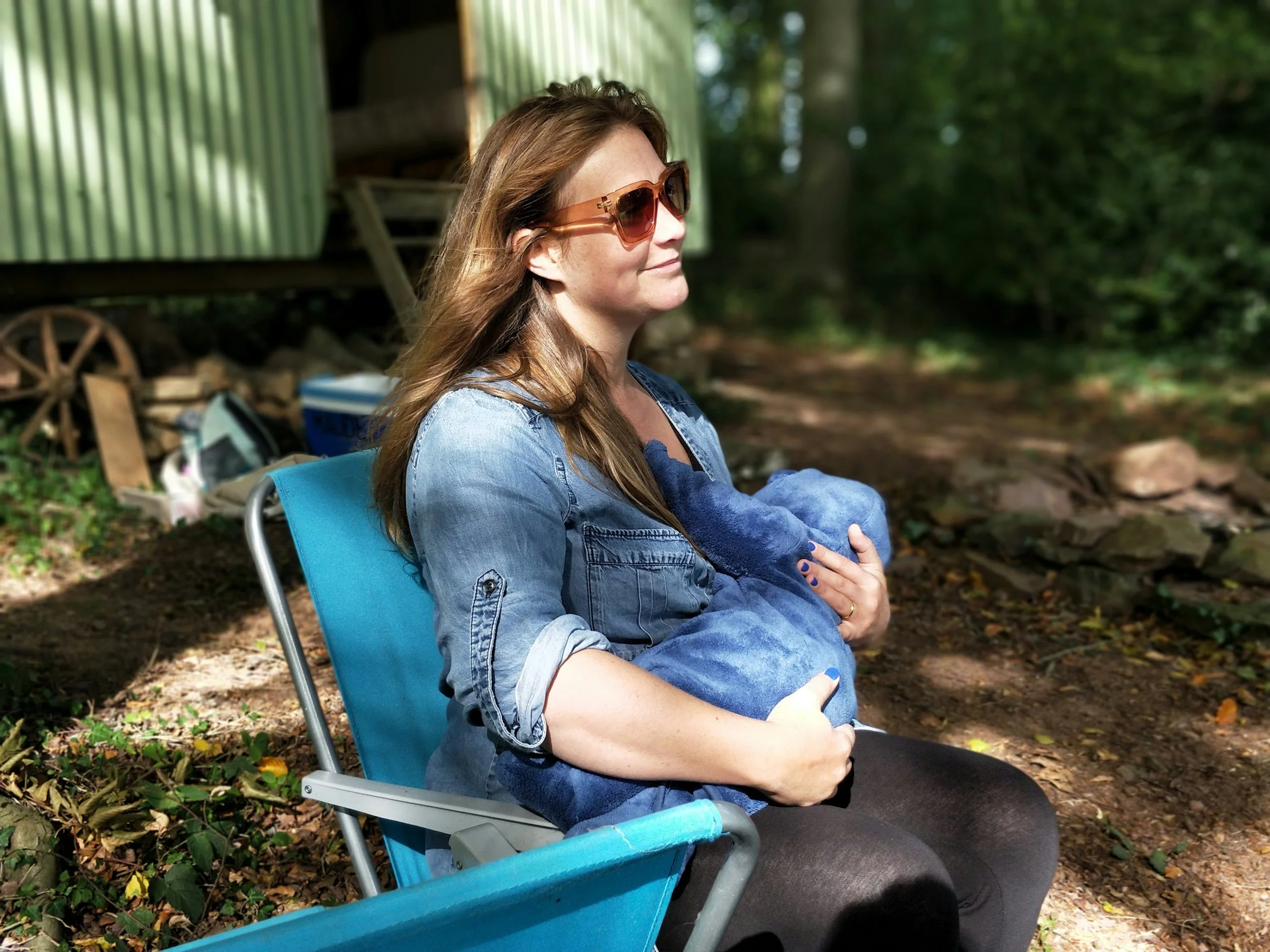
Feeding positions
Carrying a baby on one hip
Sleep deprivation
Jumping back into workouts too quickly
And these patterns become ingrained.
More squats won’t fix a strategy issue.
Why Glute Exercises Alone Don’t Solve It
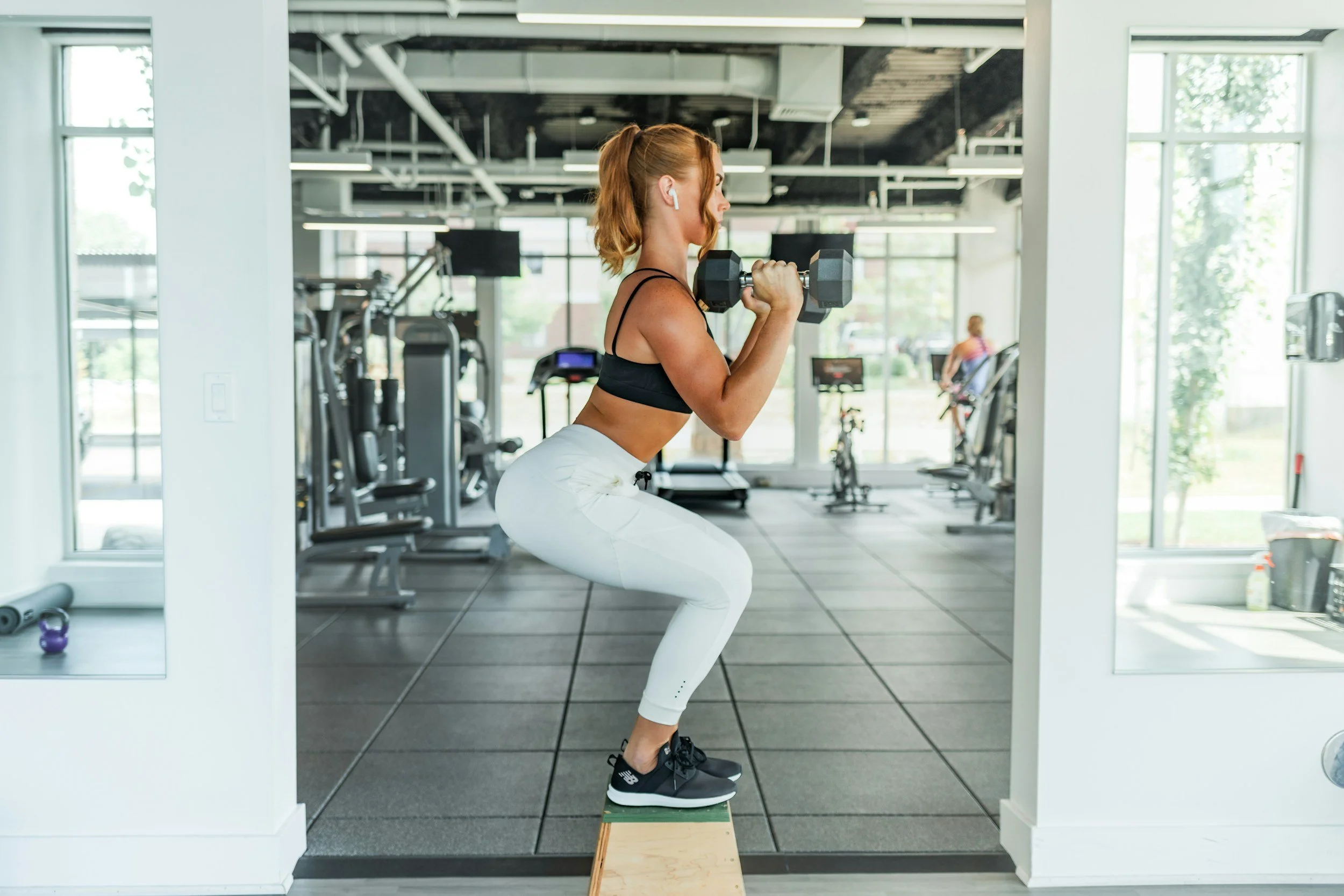
Many motivated moms try to fix the issue with:
More bridges
Heavier squats
Extra glute classes
But if alignment and coordination aren’t addressed first, you may simply strengthen compensation patterns.
That’s why postpartum glute rehab needs to address mechanics — not just muscle fatigue.
How to Fix Mom Butt (The Right Way)
Step 1: Restore Ribcage–Pelvis Alignment
Subtle adjustments in positioning and breathing can dramatically improve glute recruitment.
This often involves:
Re-establishing neutral posture
Improving diaphragm function
Reconnecting core and pelvic floor
Step 2: Retrain Glute Activation
True activation isn’t just squeezing your butt.
It involves:
Coordinated hip extension
Reducing hamstring dominance
Integrating glutes with core control
When done properly, you’ll feel glutes working without low back tension.
Step 3: Load It Properly
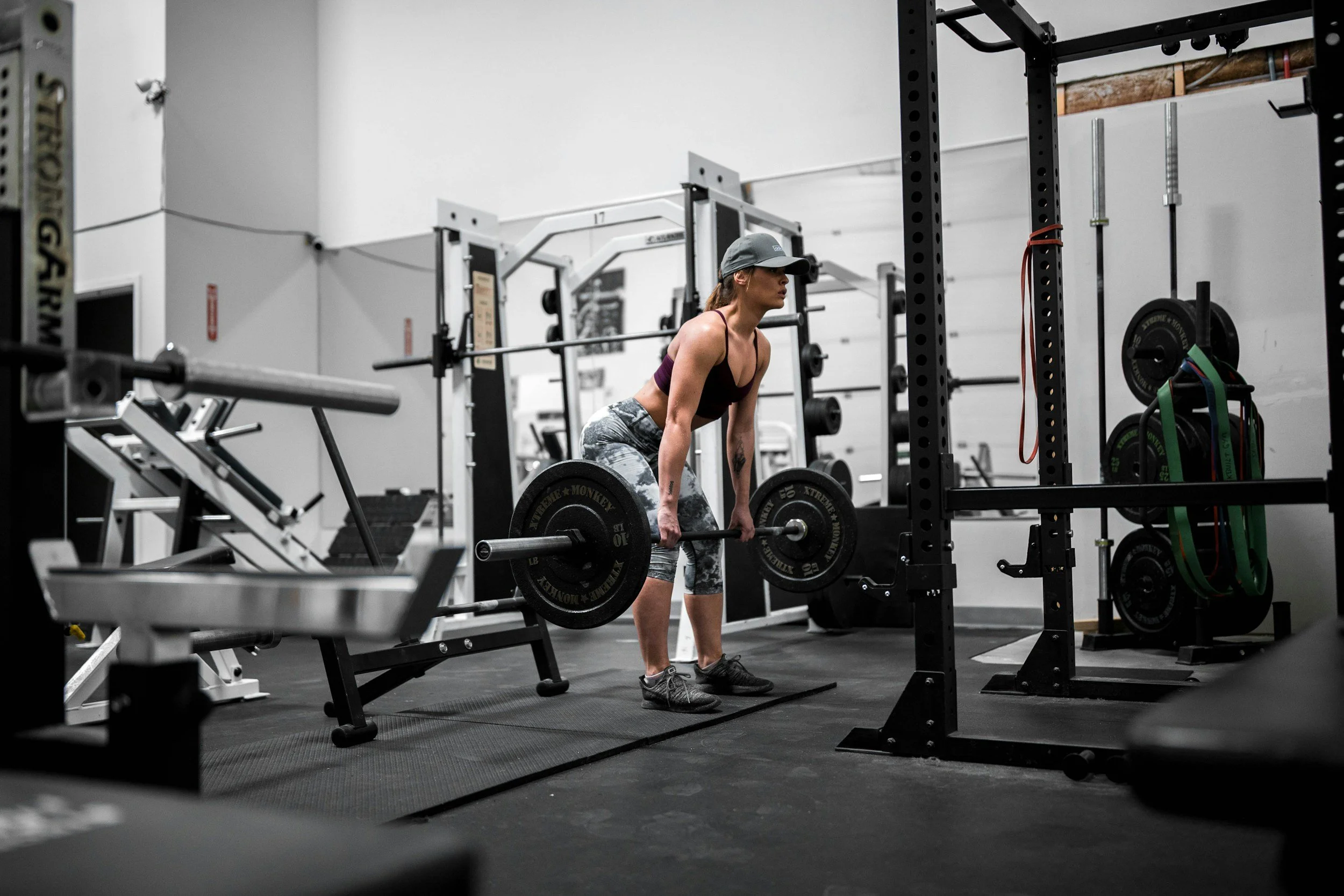
Once mechanics improve, we integrate into:
Squats
Deadlifts
Step-downs
Running
Carries
Strength without symptoms is the goal.
When to See a Pelvic Floor Physical Therapist
If you’re experiencing:
Leaking with running or lifting
Persistent low back pain
Pelvic heaviness or pressure
One-sided hip weakness
Difficulty progressing in the gym
It may be time for an individualized assessment.
At Mobility Physical Therapy in Cambridge, I specialize in pelvic floor physical therapy and postpartum strength rehab for active women who want to return to lifting, running, and high-level movement confidently.
Every postpartum body is different. A personalized plan can help you rebuild strength efficiently — without guessing.
Ready to Feel Strong Again?
Your glutes didn’t disappear.
They adapted.
If you’re ready to:
Lift without back pain
Run without leaking
Feel balanced and powerful again
You can book a postpartum strength evaluation at Mobility Physical Therapy.
Strong moms deserve strong mechanics.