Motherhood Is Demanding But Your Pelvic Floor Doesn’t Have to Suffer
Motherhood asks a lot of our bodies.
From pregnancy and delivery to carrying toddlers, lifting car seats, returning to exercise, and managing the physical demands of everyday life, many moms are constantly pushing through discomfort because they assume it’s just “part of being a mom.”
But leaking when you sneeze, feeling pressure or heaviness, painful intercourse, low back pain, or avoiding certain workouts out of fear isn’t something you simply have to accept.
This Mother’s Day, I want to remind moms that your body deserves care, too.
What Is the Pelvic Floor?
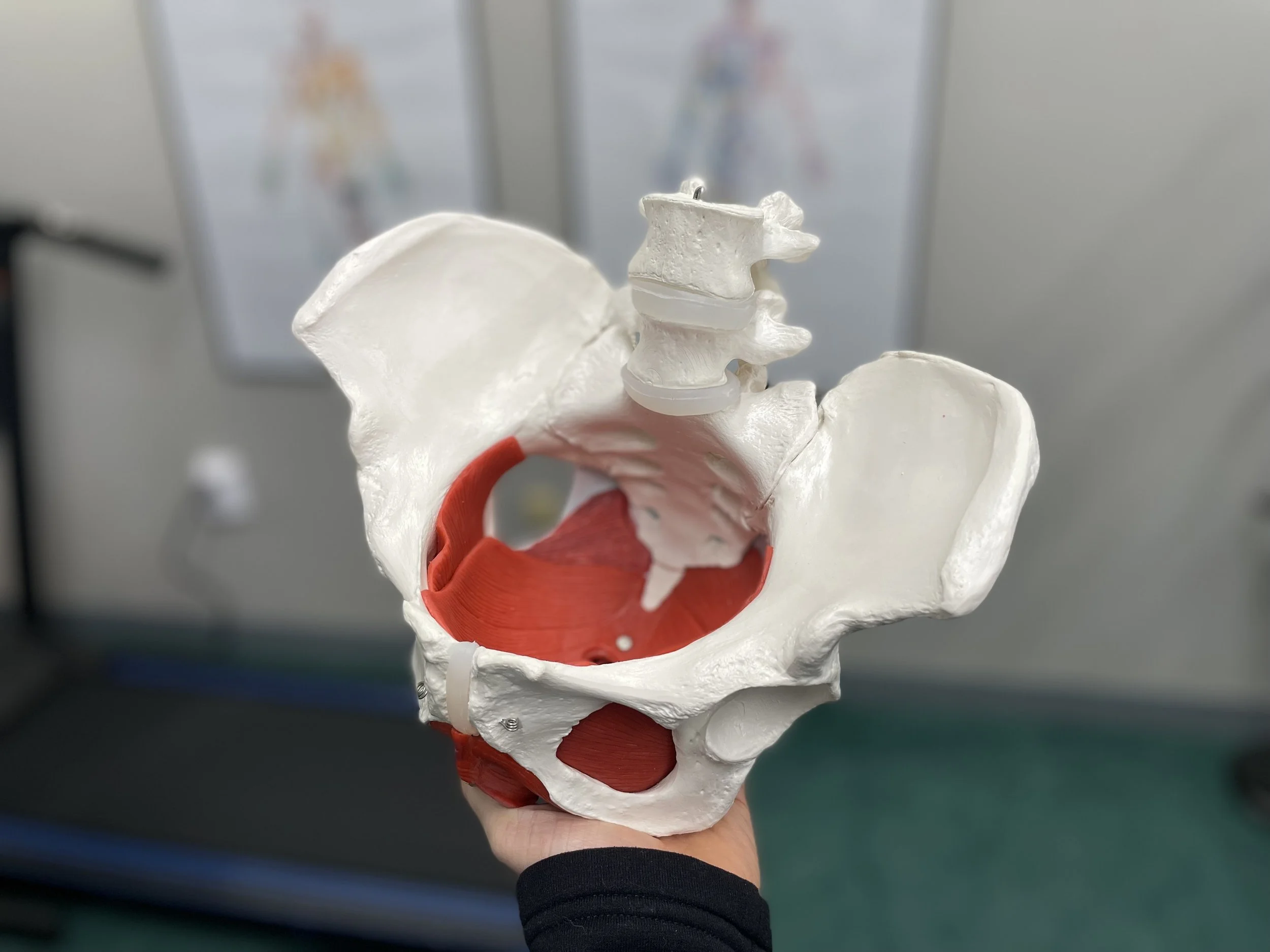
The pelvic floor is a group of muscles at the base of your pelvis that support your bladder, bowel, and reproductive organs. These muscles also play an important role in:
Core strength and stability
Bladder and bowel control
Breathing mechanics
Sexual function
Exercise performance
Pregnancy, delivery, hormonal changes, and the repetitive lifting and carrying involved in parenting can all place increased demands on the pelvic floor.
Common Symptoms Moms Experience

Many women are surprised to learn that pelvic floor dysfunction doesn’t always look the same. Symptoms can include:
Leaking urine with coughing, sneezing, or exercise
Pelvic heaviness or pressure
Pain during intercourse
Low back, hip, or tailbone pain
Difficulty returning to running or lifting
Constipation or difficulty fully emptying
A feeling of weakness or instability through the core
These symptoms are common — but they are not necessarily normal.
You Deserve More Than “Just Deal With It”
One of the most common things I hear from moms is:
“I thought this was just something I had to live with after having kids.”
The good news is that many pelvic floor symptoms respond incredibly well to physical therapy.
Pelvic floor physical therapy is not just for the early postpartum period. Whether you are 6 weeks postpartum or 16 years postpartum, it is never too late to address symptoms and improve how your body feels and functions.
What Pelvic Floor PT Actually Looks Like
Pelvic floor physical therapy is highly individualized and designed around your goals.
Treatment may include:
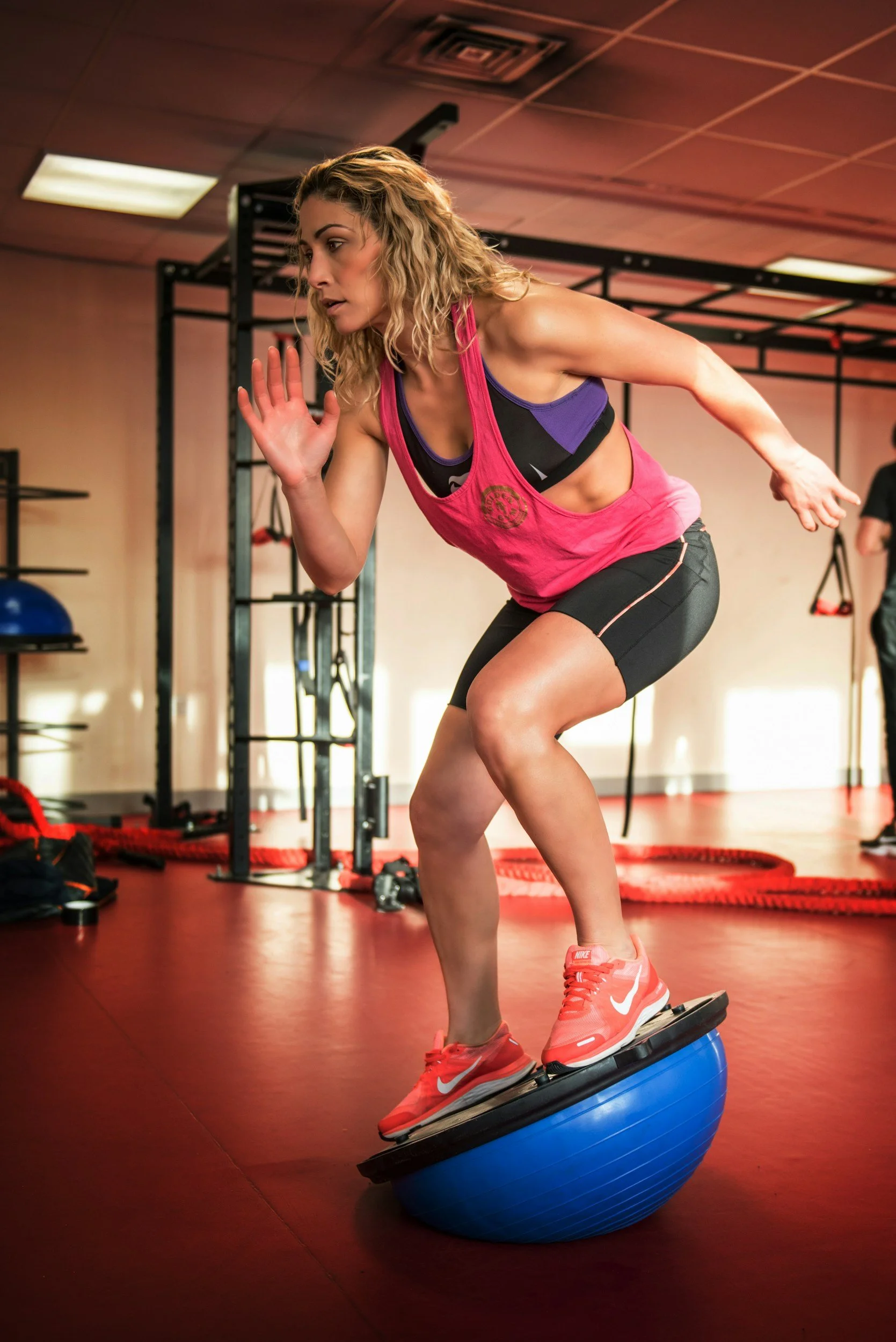
Education about pressure management and body mechanics
Core and pelvic floor strengthening
Breathing coordination
Mobility and strength work for the hips and trunk
Return-to-running or lifting guidance
Strategies to reduce pain and improve confidence with movement
The goal is not just symptom reduction — it’s helping you feel strong, capable, and confident in your body again.
A Mother’s Day Reminder
Moms are often the first to take care of everyone else and the last to prioritize themselves.
This Mother’s Day, consider this your reminder that your health matters too.
You deserve to move through life without constantly worrying about leaking, pain, pressure, or limitations.
Your body has done incredible things and it deserves support.
Happy Mother’s Day to all the moms, grandmothers, caregivers, and women doing the demanding work of caring for others every day