The Secret Training Tool You're Complaining About: Summer Heat
If you've stepped outside this week and immediately questioned your life choices, you're not alone. With temperatures climbing into the 90s and humidity making it feel even hotter, running can feel downright miserable.

Your usual easy pace suddenly feels like marathon effort. Your heart rate is higher. You're sweating buckets before you've even hit the first mile.
While it's tempting to retreat to the treadmill or skip your run altogether, there's actually a silver lining to summer training. When done safely, running in the heat triggers several physiological adaptations that can make you a stronger, more efficient runner, even when the weather cools down.
Your Body Learns to Carry More Blood
One of the first adaptations to heat training is an increase in plasma volume, the liquid portion of your blood.
Why does that matter?
When you're running in the heat, your body sends more blood to your skin to help cool you down while still trying to deliver oxygen to your muscles. To meet these competing demands, your body gradually expands its blood volume.
More blood volume means:
Your heart doesn't have to work as hard to pump blood.
More oxygen can be delivered to your muscles.
You can better tolerate longer efforts.
Many runners notice that after a couple of weeks of heat training, their heart rate begins to decrease for the same pace, even if temperatures remain warm.
Your Heart Gets More Efficient
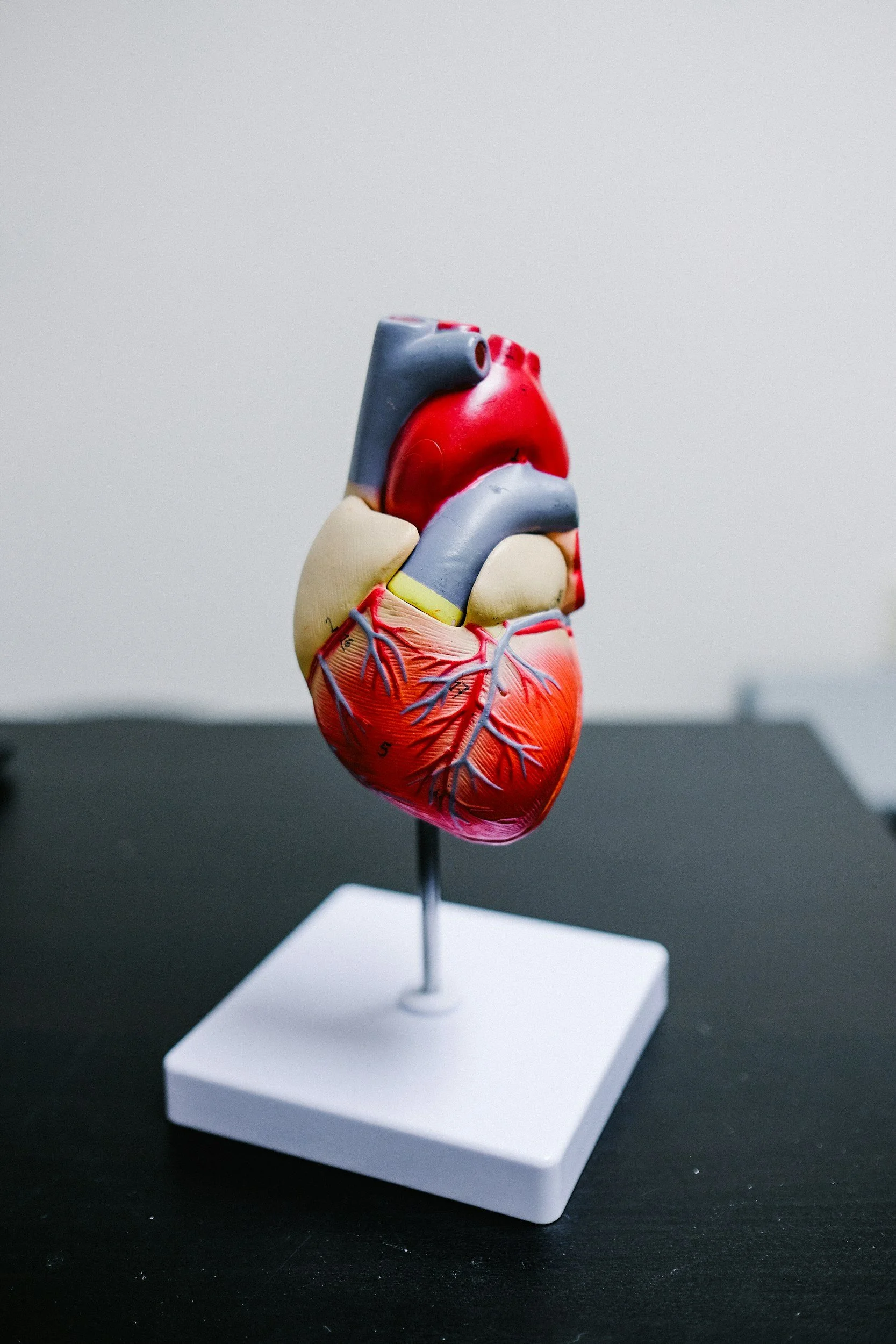
As blood volume increases, each heartbeat pumps more blood. This is known as an increased stroke volume.
Think of your heart as a pump. If each squeeze delivers more blood, it doesn't need to beat as often to supply your muscles with oxygen.
That's one reason endurance athletes often have relatively low resting heart rates - their hearts have become incredibly efficient.
You Become Better at Cooling Yourself
One of the coolest adaptations (pun intended) is that your body becomes better at regulating its temperature.

After repeated exposure to heat, you'll:
Start sweating sooner.
Produce more sweat.
Cool yourself more efficiently through evaporation.
These changes help prevent your core temperature from climbing as quickly during exercise.
It's your body's way of saying, "I've done this before - I know how to handle it."
Heat Can Mimic Altitude Training...Sort Of
Heat training has become increasingly popular among elite runners, cyclists, and triathletes because some of its adaptations overlap with the goals of altitude training.
While heat training doesn't increase red blood cell production the way prolonged altitude exposure can, the expansion of plasma volume still improves your cardiovascular system's ability to transport oxygen.
In fact, some elite athletes intentionally use heat sessions throughout the year, not just because they enjoy suffering, but because they know the physiological benefits can carry over to racing in cooler conditions.
Cooler Weather Feels Amazing
Have you ever noticed that your first crisp fall run feels almost effortless?
That's not just because the weather is nicer.
After spending weeks adapting to summer conditions, cooler temperatures reduce the stress on your cardiovascular system. Your body no longer has to devote as much energy to cooling itself, allowing more resources to go toward running.
Many runners naturally see faster paces at the same effort once temperatures begin to drop.
But Heat Is Still Stress
While heat training has real benefits, it's important to remember that it's also an added stressor on your body.
The goal isn't to prove how tough you are.
The goal is to train consistently while allowing your body to adapt.
That means adjusting your expectations.
Slow Down
One of the biggest mistakes runners make is trying to maintain the same pace they run in 50-degree weather.
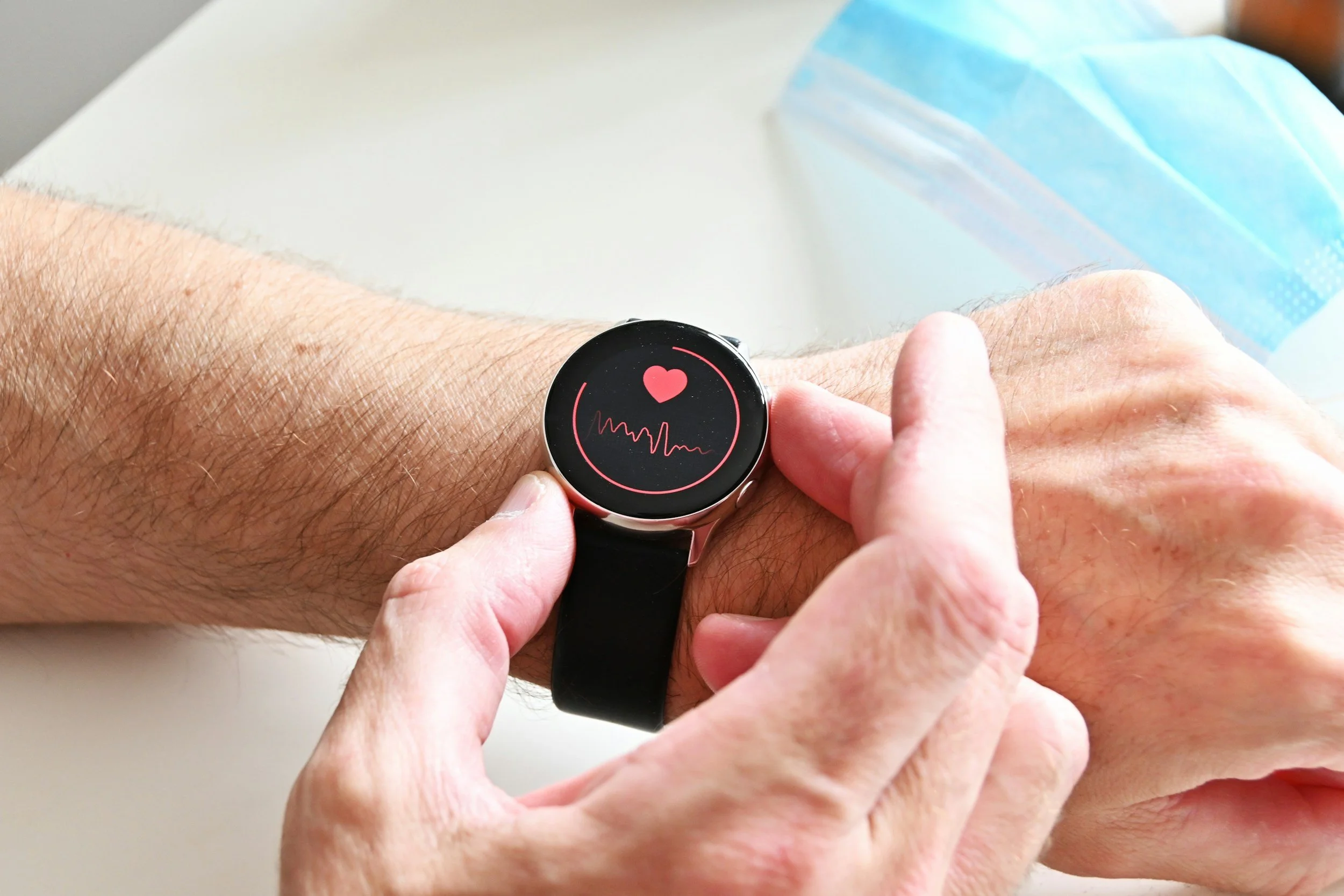
Your heart rate is naturally higher in the heat because it's working to supply both your muscles and your skin.
Even if your fitness hasn't changed, your pace almost certainly will.
Instead of chasing splits, run by effort.
If your easy run is 30 to 90 seconds per mile slower than usual, that's completely normal. In fact, it may be exactly what your body needs to get the benefits of heat adaptation without overdoing it.
Stay Ahead of Hydration
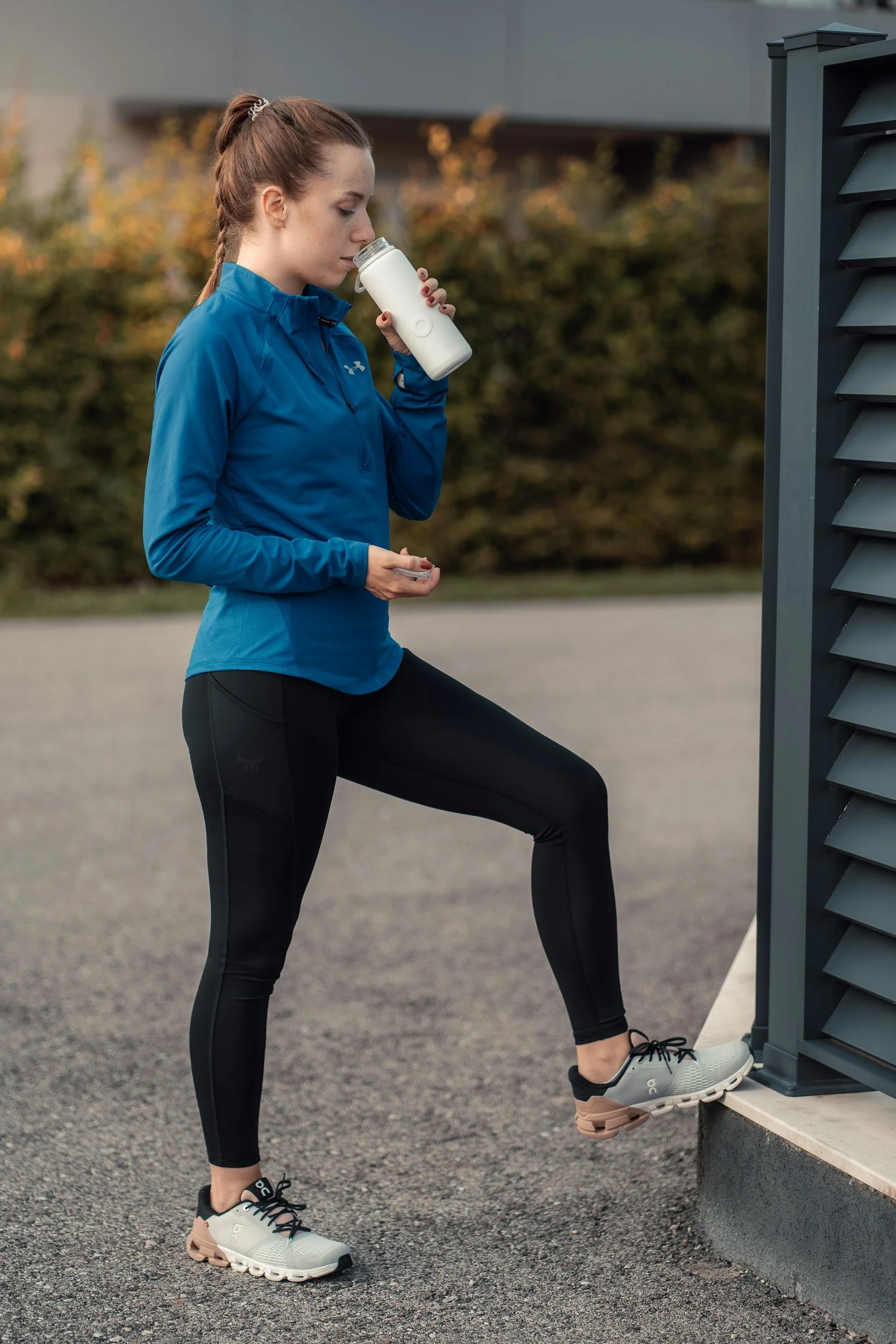
Hydration starts before you leave the house.
Drink fluids consistently throughout the day, especially if you're planning a longer run. For runs lasting more than about an hour, consider carrying water or planning a route with water stops.
If you're someone who finishes runs with white salt stains on your clothes, replacing electrolytes along with fluids may also be beneficial.
Know the Warning Signs
There's a difference between being uncomfortable and becoming overheated.
Stop your run immediately if you experience:
Dizziness
Confusion
Chills or goosebumps despite the heat
Nausea or vomiting
Loss of coordination
A severe or worsening headache
These can be early signs of heat illness and shouldn't be ignored.
The Bottom Line
Running in the heat isn't easy, but it isn't pointless either.
With repeated, gradual exposure, your body becomes remarkably good at adapting. Increased blood volume, improved cardiovascular efficiency, and better temperature regulation can all help you become a stronger endurance athlete.
Just remember: adaptation happens when you challenge your body, not when you overwhelm it.
This summer, give yourself permission to slow down, stay hydrated, and let the heat do what it's designed to do: make your body stronger for the miles ahead.