When Is Rehab Over?
One of the most common questions I hear from patients is:
"So... when am I done with physical therapy?"
It's a great question, but my answer is probably different than what most people expect.
For many people, rehab ends when the pain goes away. They can walk without limping, climb the stairs more comfortably, or get through the day without thinking about their injury. That's a huge milestone—but it isn't always the finish line.
Instead, I like to ask a different question:
“Can you confidently do the things you want to do?”
Because being pain-free isn't necessarily the same thing as being ready.
Pain Is Only One Piece of the Puzzle
Imagine you sprain your ankle.
A few weeks later, it no longer hurts to walk around the house. Does that mean you're ready to run a half marathon? Probably not.
Or maybe you've recovered from shoulder pain and can finally reach into the top cabinet without discomfort. Does that automatically mean you're ready to return to CrossFit or throw a baseball? Again, probably not.
Pain often improves before your body has fully regained the strength, endurance, coordination, and confidence needed to return to your favorite activities.
In other words, pain is often the first thing to improve - not the last.
Rehab Should Prepare You for Real Life
The goal of physical therapy isn't simply to reduce pain.
It's to prepare your body for whatever life demands of it.
For one person, that might mean lifting a heavy suitcase into an overhead bin.
For another, it's carrying a growing toddler on one hip.
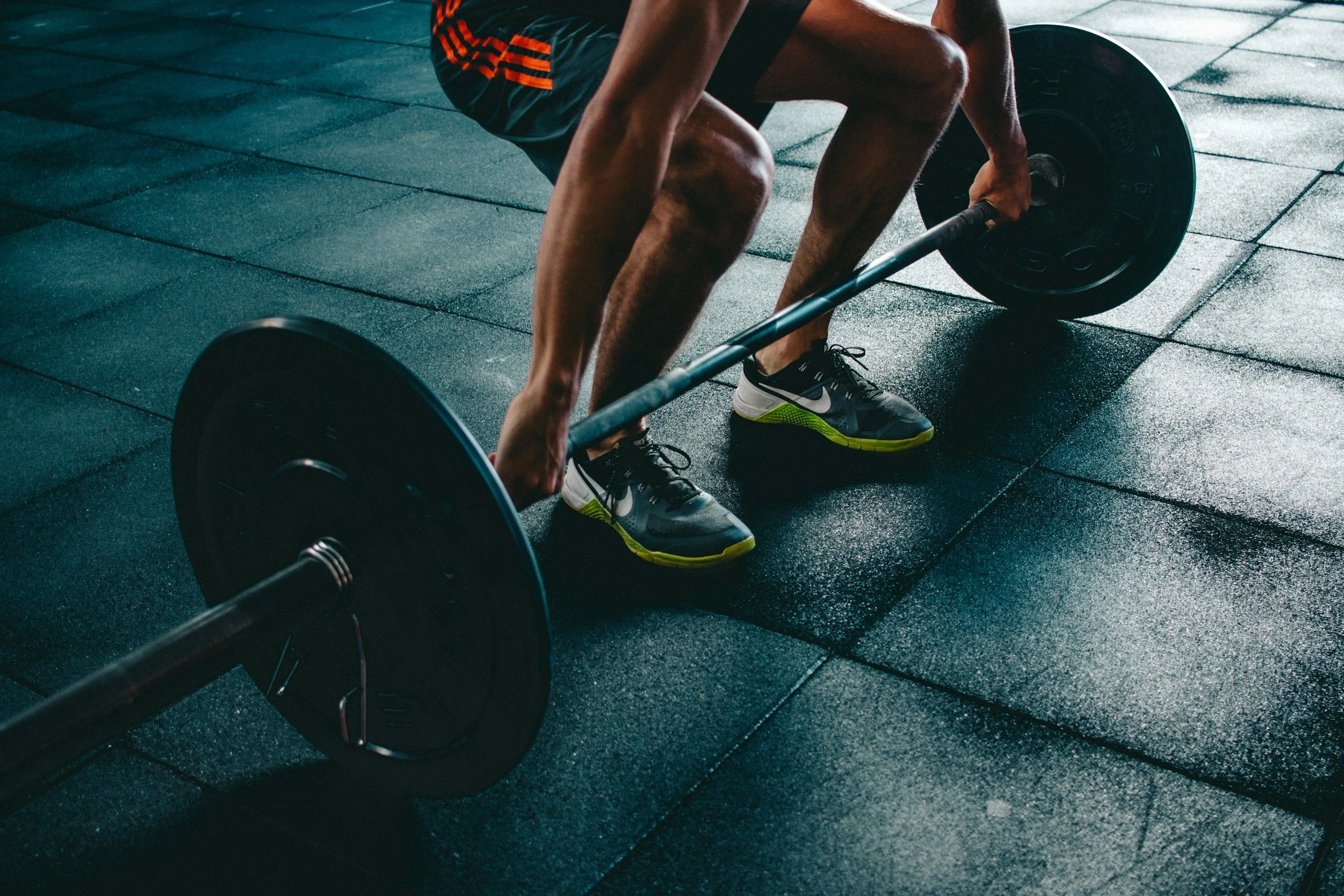
For someone else, it's returning to marathon training, deadlifting, or playing pickleball with friends.
Those activities require more than just healing—they require capacity.
Think of capacity as your body's ability to tolerate the physical demands you place on it.
The greater your capacity, the more resilient you become.
Mobility Gets You There. Strength Keeps You There.
As a physical therapist, I spend a lot of time helping people improve their mobility. Sometimes a stiff ankle limits a squat. Sometimes improving thoracic mobility makes overhead lifting feel easier. Sometimes restoring hip motion helps someone run more comfortably.
But mobility is only half of the equation.
I often tell patients:
Mobility gives you access to a movement. Strength allows you to own it.

It's one thing to be able to squat down.
It's another thing to confidently squat, stand back up, and repeat that movement over and over while carrying a barbell, picking up your child, or hiking down a mountain.
Without strength, newly gained mobility is difficult to use - and even harder to maintain.
Progress Should Look Like Real Life
As your symptoms improve, your rehab should begin to look more like the activities you're trying to return to.
For runners, that might mean progressing from walking to jogging, then eventually incorporating hills, speed work, and plyometrics.
For lifters, it means gradually reintroducing squats, deadlifts, overhead presses, and heavier loads.
For new moms, it might involve lifting a car seat, carrying a toddler, or returning to strength training with confidence.
The exercises become less about rehabilitation and more about preparing you for the demands of everyday life.
Why I'm Excited About Some New Additions to the Clinic
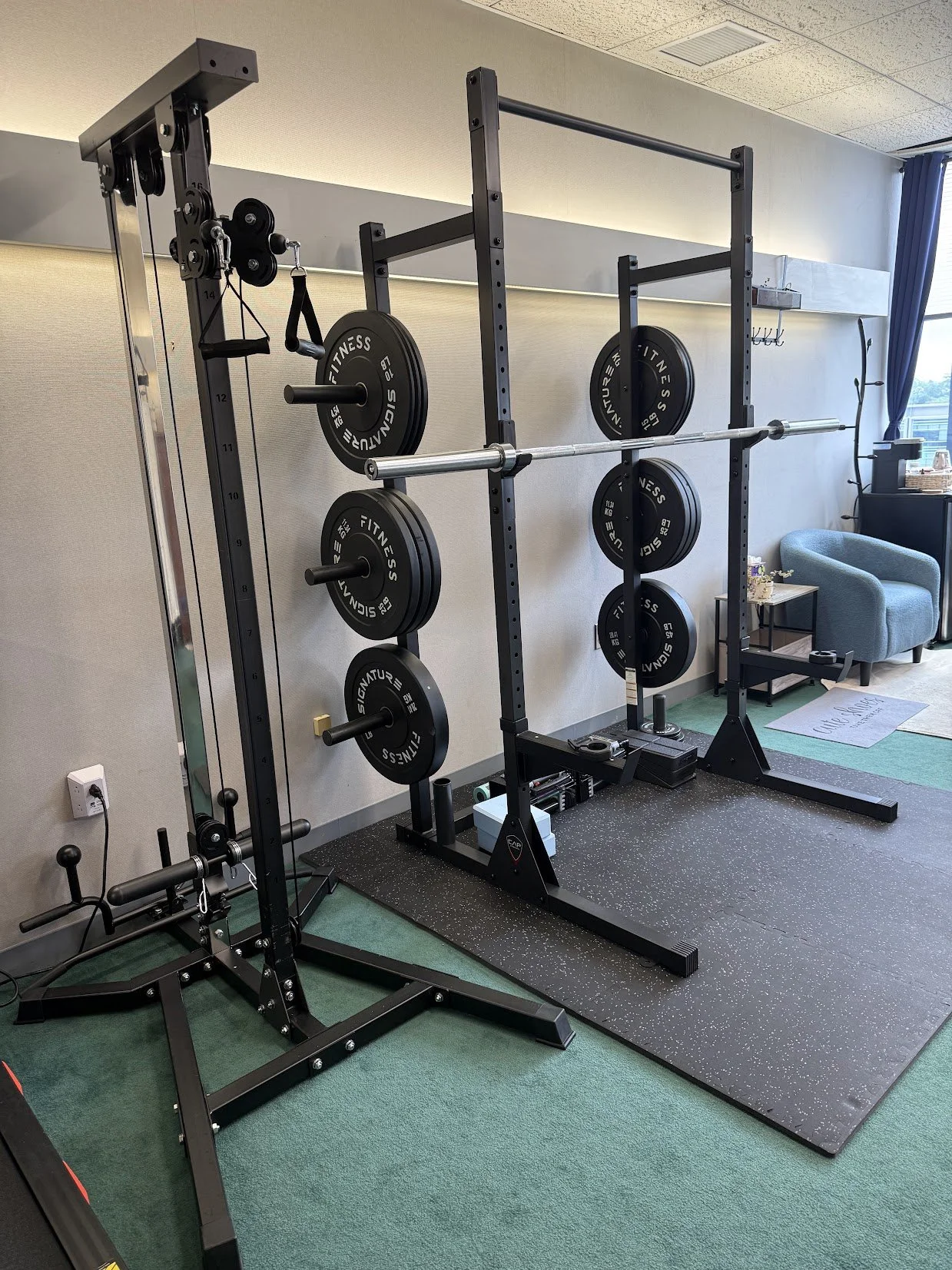
One of my goals has always been to bridge the gap between rehabilitation and returning to the activities you love.
That's why I'm excited to share that Mobility Physical Therapy now has a squat rack and cable machine!
These additions allow us to safely progress patients beyond the treatment table and into functional strength training. Whether your goal is to run farther, lift heavier, hike longer, or simply feel stronger moving through everyday life, we can better recreate those real-world demands right here in the clinic.
So… When Is Rehab Over?
Sometimes the answer is simple:
You're back to doing everything you want to do without pain, hesitation, or limitation.
Other times, the answer isn't tied to a calendar or a specific number of visits.
It's when you've rebuilt enough strength, mobility, confidence, and resilience that you trust your body again.
Because the goal of physical therapy isn't just to help you hurt less.
It's to help you move better, perform better, and get back to living your life.